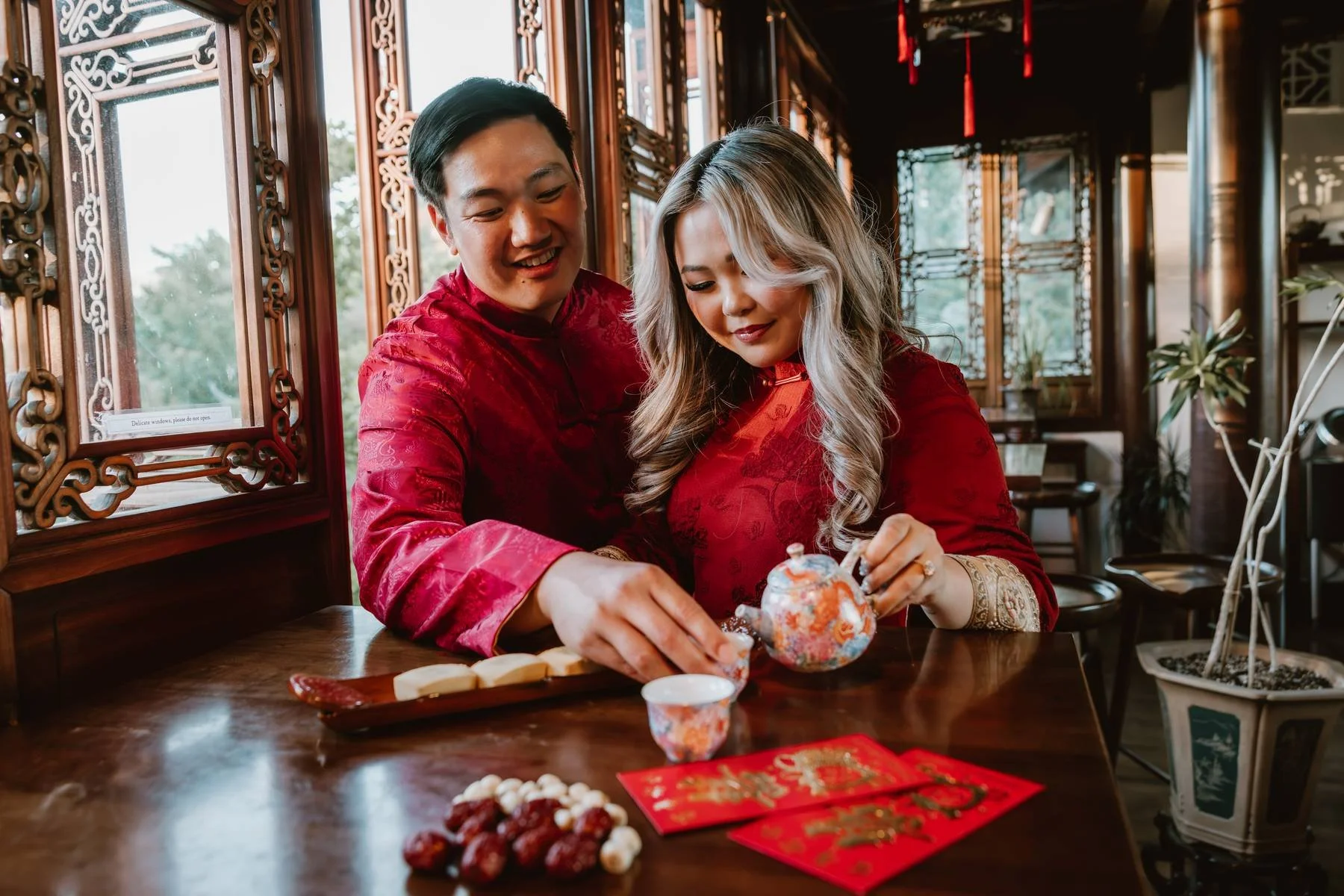
Photo by Notaro Photography
A Chinese or Taiwanese wedding tea ceremony is one of the most meaningful traditions you can include in your wedding. But if you're planning one for the first time, you probably have a lot of questions.
Who serves tea first? What should everyone wear? How much time should you allow? And what happens if one partner isn't Chinese or Taiwanese, or doesn't speak Mandarin?
Chinese and Taiwanese wedding tea ceremonies share many of the same traditions, including serving tea to parents and elders as a gesture of respect, gratitude, and family unity. While individual family customs may vary, the meaning behind the ceremony remains largely the same.
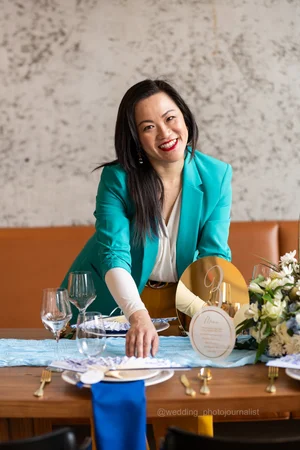
I'm Shi, a Portland-based multicultural wedding planner and bilingual Mandarin-English tea ceremony host. Growing up in multicultural Malaysia and Singapore gave me a deep appreciation for cultural traditions and the different ways families celebrate love. Today, I help couples honor those traditions while creating weddings that feel personal to them.
Whether you're planning a traditional tea ceremony or incorporating one into a modern multicultural wedding, here's what you need to know.
What Is a Chinese or Taiwanese Wedding Tea Ceremony?
A wedding tea ceremony, often called 敬茶 (jìng chá) in Mandarin, is a traditional wedding ritual in which the couple serves tea to their parents, grandparents, and other respected elders. It's a way of expressing gratitude, respect, and appreciation for the people who raised and supported them.
For many families, the ceremony also symbolizes the joining of two families and the welcoming of a new son-in-law or daughter-in-law. The couple typically serves tea to their elders, who offer blessings, words of advice, and sometimes gifts such as red envelopes or gold jewelry.
Beyond the tea and gifts, what makes this ceremony special is the opportunity for families to come together and celebrate an important milestone. For some families, it's one of the most emotional and meaningful parts of the entire wedding.
Who Participates in a Wedding Tea Ceremony?
Traditionally, the couple serves tea to older family members, beginning with the most senior relatives.
Depending on the family's customs and who is present, participants may include grandparents, parents, uncles, aunts, and other respected elders. Some families include only immediate relatives, while others have a much larger tea ceremony involving extended family.
There isn't one universal order that every Chinese or Taiwanese family follows. Customs can vary depending on regional heritage, family history, and traditions passed down through generations.
That's why one of the first things I recommend is discussing expectations with both families before creating the ceremony timeline. Ask which relatives should participate, whether there is a preferred serving order, and whether any specific traditions are especially meaningful to your parents or grandparents.
These conversations are much easier to have during planning than in the middle of the ceremony!
What Is the Proper Order for Serving Tea at a Wedding?
One of the most common questions couples ask is, "Who do we serve tea to first?"
In many Chinese and Taiwanese wedding traditions, tea is served according to family seniority, often beginning with grandparents, followed by parents and then other older relatives. However, some families have specific customs regarding which side of the family goes first, the order of paternal and maternal relatives, or when the couple visits each household.
Rather than assuming there's one correct order, I recommend creating a personalized tea ceremony list with both families. For example, a simplified ceremony might follow this order:
Grandparents
Parents
Older uncles and aunts
Other respected senior relatives
Within each group, the order should reflect your family's preferences. If your parents or grandparents have strong feelings about the traditional order, this is worth clarifying early.
My planning tip: Prepare a list with each person's name, relationship to the couple, preferred form of address, and serving order. Share it with whoever is coordinating or hosting the ceremony. This one document can prevent a surprising amount of confusion on the wedding day.
What Happens During a Chinese or Taiwanese Wedding Tea Ceremony?
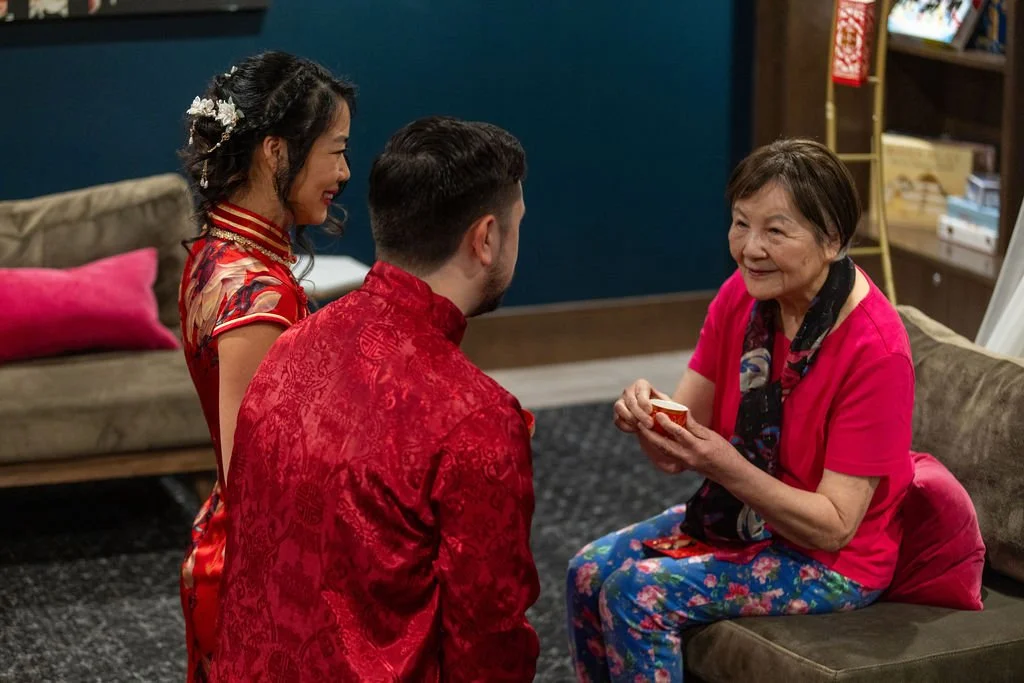
Photo by Wedding Photographer Guy
Although the details vary between families, a typical tea ceremony follows a simple sequence.
Step 1: Family members take their seats.
The elders receiving tea are seated in a designated area. Depending on the family's customs, the couple may kneel, bow, or stand while serving tea.
Step 2: The couple serves tea.
The couple presents tea respectfully, usually with both hands, while addressing the family member by the appropriate title.
Step 3: The elders drink the tea.
The family member accepts the tea and takes a sip.
Step 4: The elders offer blessings and gifts.
They may share marriage advice, offer well wishes, present red envelopes containing money, or give gold jewelry.
Step 5: The next family members are invited forward.
The process continues until everyone on the agreed-upon list has participated.
The ceremony itself isn't complicated, but managing the order, introductions, tea preparation, gifts, and family members takes coordination. Especially when there are multiple generations and languages involved!
What Do You Need for a Wedding Tea Ceremony?
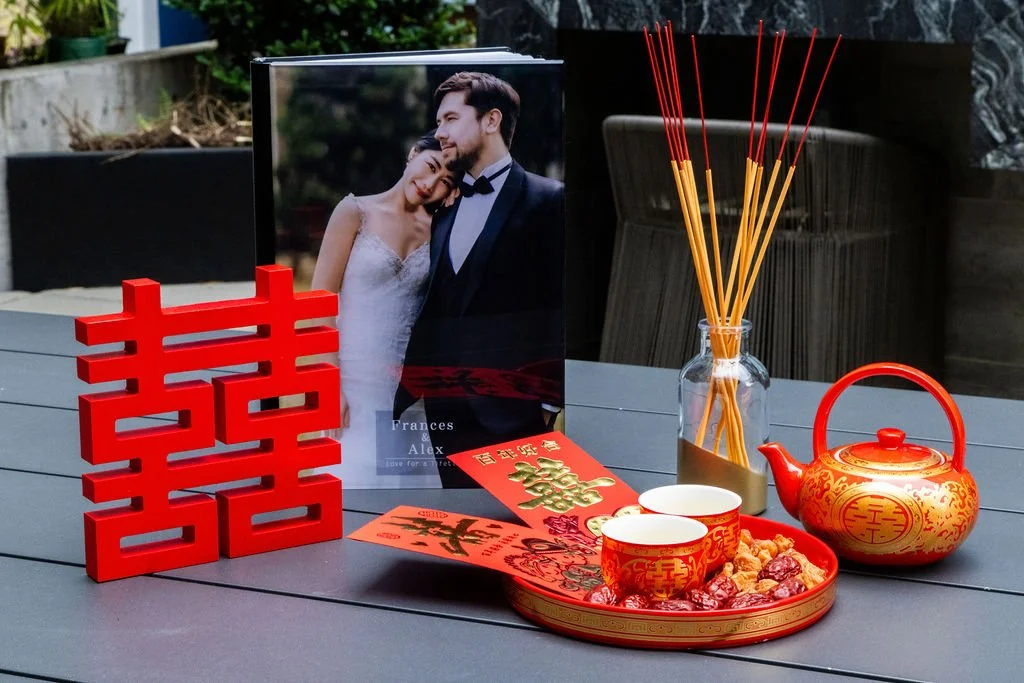
Photo by Wedding Photographer Guy
You don't need an elaborate setup to create a meaningful ceremony. The essentials typically include:
A tea set with a teapot and small teacups
Prepared tea and hot water
Chairs for parents and elders
A cushion or kneeling pad for the couple, if applicable
A table or serving station
A list of participating family members
A tray for presenting tea, if desired
Red envelopes or gifts, according to family tradition
Someone to prepare and replenish the tea
Someone to guide the ceremony and introduce each participant
Many couples choose a traditional red or red-and-gold tea set, sometimes featuring the double happiness symbol, 囍. But the ceremony doesn't have to be surrounded by red decorations to be meaningful. For modern weddings, it can be beautiful to combine traditional elements with a more understated design that complements the overall wedding aesthetic.
Just remember that the practical details matter too. Make sure the tea is served at a comfortable temperature, the cups are easy to handle, and there is enough tea prepared for everyone participating.
What Kind of Tea Should You Use?
Traditional Chinese and Taiwanese wedding tea ceremonies may use sweetened tea, sometimes prepared with ingredients such as red dates and lotus seeds, which carry symbolic meanings associated with good fortune and family blessings. Other families may prefer jasmine, oolong, or another familiar tea. The exact tea can depend on family traditions and personal preferences.
If your parents or grandparents have a particular recipe or tea they associate with weddings, consider incorporating it. That small detail can make the ceremony feel even more personal.
What Should You Wear to a Chinese or Taiwanese Wedding Tea Ceremony?
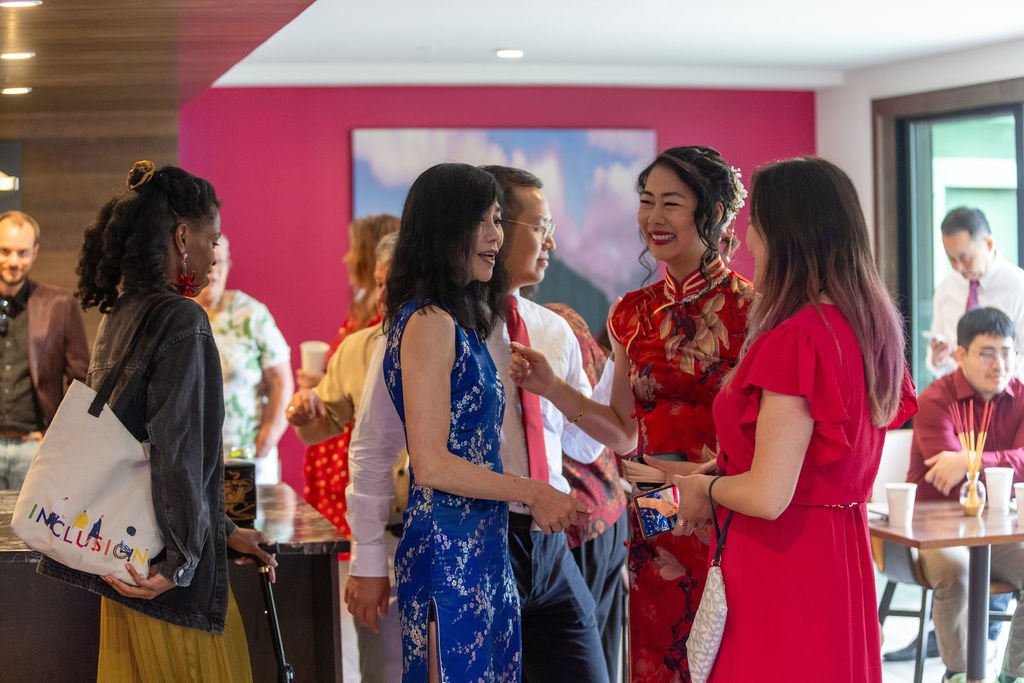
Photo by Wedding Photographer Guy
Traditional attire is a beautiful way to celebrate cultural heritage, but it isn't mandatory for every couple.
Brides may wear a qipao or cheongsam, a traditional Chinese wedding outfit such as a qun kwa, or another culturally meaningful outfit. Grooms may wear traditional attire or a modern suit. For multicultural weddings, couples sometimes choose clothing that reflects both backgrounds.
You could have your tea ceremony in traditional attire, change into Western wedding clothes for the main ceremony, and wear something completely different for the reception. Or you might prefer one outfit for the entire day.
I always encourage couples to choose attire that reflects their identities, comfort, and wedding vision rather than feeling pressured to follow every custom. If outfit changes are involved, remember to include changing time, hair and makeup adjustments, and photography in your wedding timeline.
How Long Does a Chinese or Taiwanese Wedding Tea Ceremony Take?
A wedding tea ceremony can take approximately 20 to 60 minutes, but larger ceremonies may require more time. The duration depends on the number of relatives participating, whether introductions are bilingual, how gifts and blessings are handled, and whether there are additional rituals.
For a smaller ceremony with only parents and grandparents, the process may be relatively quick. For a large extended family, especially one where every relative wants to offer blessings, take photographs, and share advice, the ceremony can take significantly longer.
As a planner, I recommend building in extra time rather than scheduling every moment too tightly.
The last thing you want is to rush your parents through a meaningful tradition because the photographer or transportation is waiting.
Can You Have a Tea Ceremony at a Multicultural Wedding?
Absolutely. In fact, this is one of my favorite ways for couples to honor their cultural backgrounds.
You don't have to choose between having a traditional wedding and having a modern Western-style wedding. You can create one celebration that reflects both. For example, a Chinese-American or Taiwanese-American couple might begin the day with a private tea ceremony, followed by a Western-style wedding ceremony and a modern reception.
A couple with Chinese and Vietnamese backgrounds might incorporate meaningful traditions from both families, taking care to understand where the customs overlap and where they differ. A couple bringing together Taiwanese and Indian backgrounds might plan separate cultural ceremonies across two days, allowing each tradition the attention it deserves.
The possibilities depend on your families, your priorities, and the experience you want to create.
A multicultural wedding shouldn't feel like two separate checklists of traditions that you have to complete. It should feel like your love story.
What If One Partner Isn't Chinese or Taiwanese?
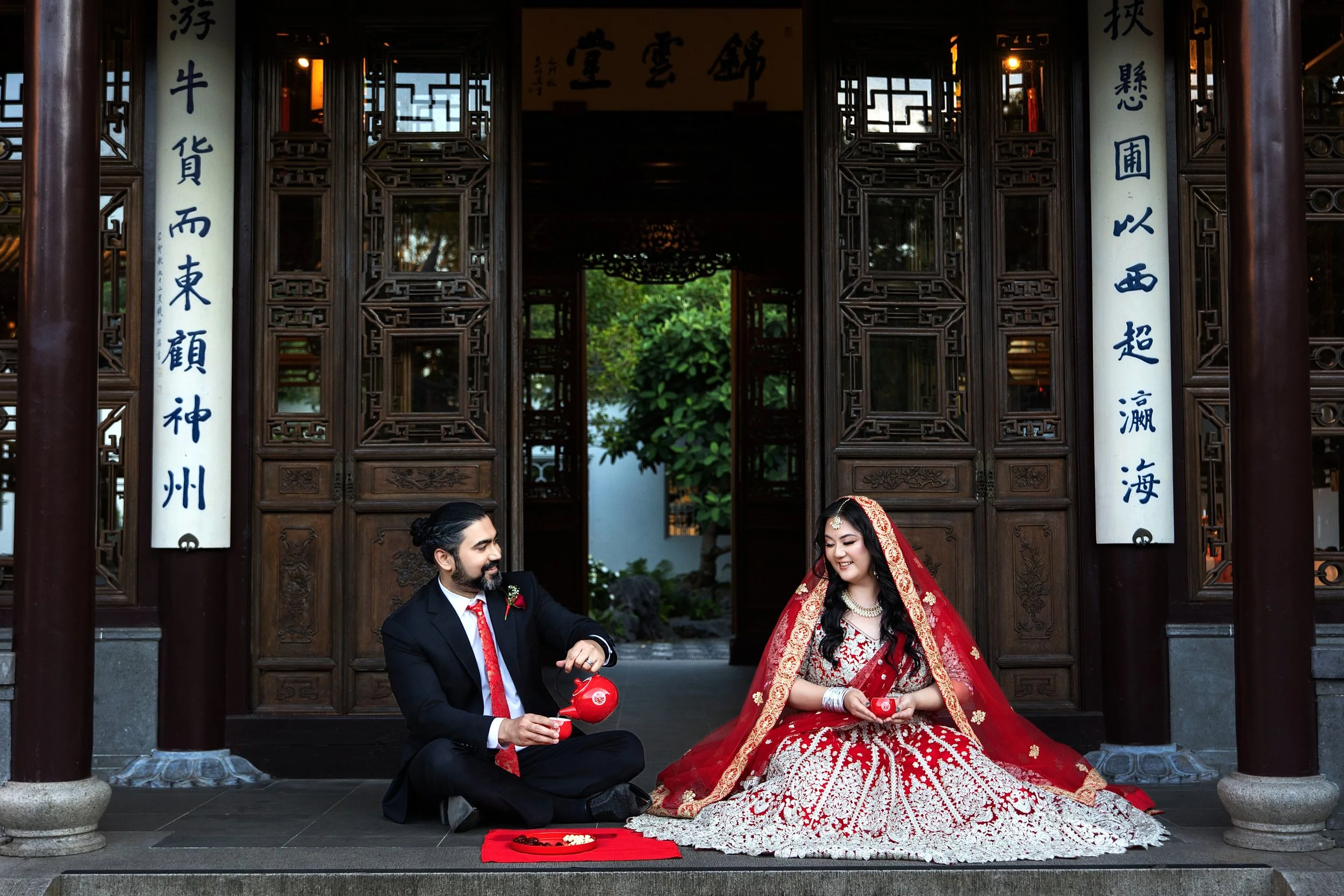
Photo by Sam Sacramento
Your partner can absolutely participate in the tea ceremony, regardless of their cultural background. The ceremony is an opportunity for both partners to honor and connect with the family. However, it's helpful to explain the significance of the ceremony beforehand.
Your partner may not know how to address certain relatives, when to present the tea, whether to bow or kneel, or what to do when receiving a red envelope. And that's perfectly normal. I recommend walking through the ceremony together before the wedding day so both partners feel comfortable and confident.
You can also discuss with your families whether relatives from both sides will participate and how they should be included. The goal isn't to make everyone perform a tradition perfectly. It's to help everyone understand why the tradition matters.
Should the Tea Ceremony Be Private or Part of the Wedding Reception?
Both options can work beautifully, but they create very different experiences.
A private tea ceremony is often held before the main wedding ceremony, at a family home, hotel suite, or another intimate location. This allows parents and close relatives to participate without an audience. It can be particularly meaningful for families who prefer a more personal setting.
A tea ceremony during the wedding reception allows more guests to witness the tradition and learn about its significance. However, it requires additional planning for seating, introductions, tea preparation, photography, and the reception timeline.
For larger multicultural weddings, I often prefer keeping the tea ceremony intimate unless the couple has a specific reason to share it with all their guests. There is something beautiful about allowing families to have that moment together without feeling like they're performing for an audience.
But ultimately, the choice belongs to you.
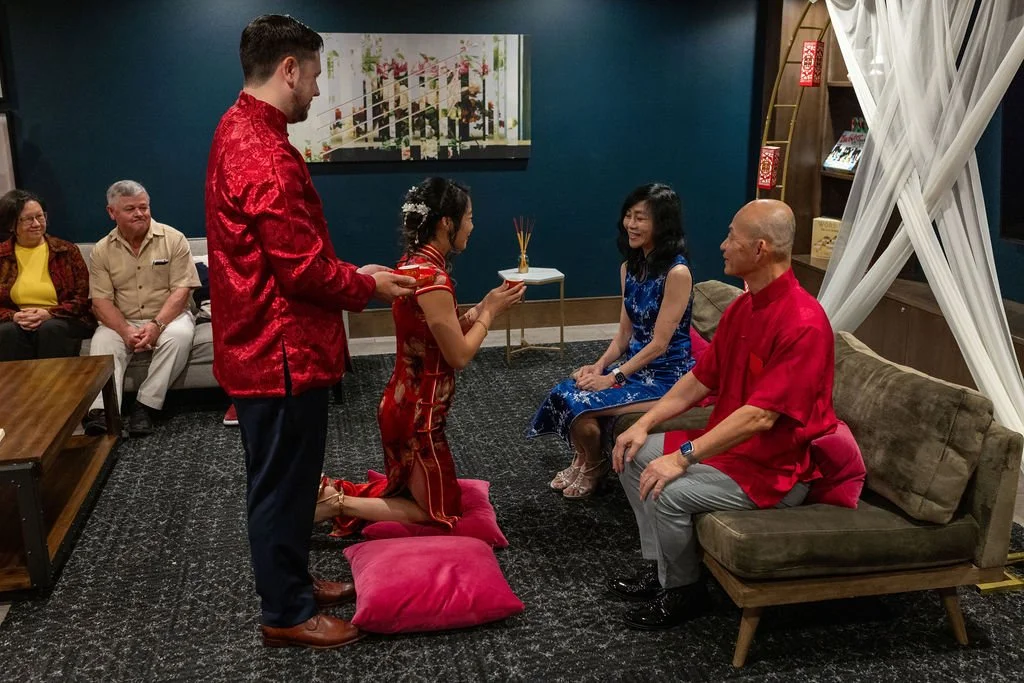
Photo by Wedding Photographer Guy
Do You Need a Bilingual Host for Your Wedding Tea Ceremony?
Not every tea ceremony requires a professional host, but having someone who understands the traditions and can guide the process can make a meaningful difference. This is especially true when family members speak different languages.
Imagine one side of the family primarily speaks Mandarin while the other speaks English. Without someone explaining what's happening, guests may feel confused or disconnected from the ceremony.
A bilingual host can introduce each family member, explain the significance of the ritual, guide the serving order, and help both sides understand the blessings being shared.
As someone who speaks Mandarin and English and grew up surrounded by multicultural traditions, I understand how important it is for family members to feel included. I offer Chinese and Taiwanese wedding tea ceremony coordination and bilingual hosting as part of my wedding planning services.
My role is to help organize the details, guide the ceremony, and make the experience feel natural rather than stressful. Because your parents should be enjoying the moment, not worrying about who's supposed to receive tea next.
Common Wedding Tea Ceremony Planning Mistakes
After helping couples navigate wedding traditions and family expectations, there are a few things I always encourage them to think about.
Not confirming the family order ahead of time. Never assume every family follows the same traditions. Discuss the order with both families before the wedding.
Underestimating the time needed. Serving tea may take only a moment, but introductions, blessings, gifts, and family photographs can add up quickly.
Forgetting the practical setup. Someone needs to prepare the tea, refill the cups, manage the serving station, and keep everything organized.
Not explaining the tradition to the other family. When guests understand the meaning behind the ceremony, they can appreciate the experience rather than simply watching something unfamiliar.
Trying to include every tradition out of obligation. It's okay to have conversations about which customs are meaningful to you and which ones you'd prefer to adapt.
A wedding should honor the people who matter to you, but it should also reflect the two people getting married.
Frequently Asked Questions About Chinese and Taiwanese Wedding Tea Ceremonies
Is a tea ceremony required for a Chinese or Taiwanese wedding?
No. Although it is an important tradition for many families, not every Chinese or Taiwanese couple includes a tea ceremony. The decision depends on family customs, personal beliefs, and the couple's preferences.
Are Chinese and Taiwanese wedding tea ceremonies similar?
Yes. Both commonly involve serving tea to parents and elders as an expression of respect and gratitude. The specific procedures, serving order, and family customs may vary, but the core traditions are largely shared.
Who serves tea at a Chinese or Taiwanese wedding?
Traditionally, the couple serves tea to parents, grandparents, and other respected elders. The exact order and participants vary by family tradition.
Do you have to kneel during a wedding tea ceremony?
Not necessarily. Some families traditionally kneel when serving tea, while others bow or stand. Couples should discuss expectations with their families and consider accessibility and comfort.
Do parents give money during the tea ceremony?
Parents and elders often offer red envelopes containing money, gold jewelry, or other gifts, along with their blessings. The type and amount of gifts vary by family.
Can you have a tea ceremony if only one partner is Chinese or Taiwanese?
Yes. Many multicultural couples incorporate a tea ceremony to honor one partner's heritage while including both partners in the ritual.
Can a wedding tea ceremony be conducted in English?
Yes. The ceremony can be conducted in English, Mandarin, or a combination of languages. A bilingual host can help family members understand the introductions, traditions, and blessings.
When should the tea ceremony happen?
It may take place before the main wedding ceremony, during the reception, or as part of a separate family gathering. The best timing depends on your wedding schedule, family customs, and venue arrangements.
Your Wedding Traditions Should Feel Meaningful, Not Overwhelming
I love wedding tea ceremonies because they remind us that a wedding isn't only about two people getting married. It's also about the families, relationships, and experiences that shaped them. But I also believe you don't need to follow every tradition simply because someone tells you that's how it has always been done.
You can honor your parents, celebrate your heritage, and create something new at the same time.
If you're planning a Chinese or Taiwanese wedding tea ceremony in Portland, or bringing together different cultures for your wedding, I'd love to help you create an experience that feels meaningful to everyone involved.
I'm Shi, founder of Weddings by Shi, specializing in modern multicultural weddings for busy professionals. I offer full wedding planning, tea ceremony coordination, and bilingual Mandarin-English hosting.
Whether your celebration is in Portland or somewhere beyond the Pacific Northwest, I travel for love.