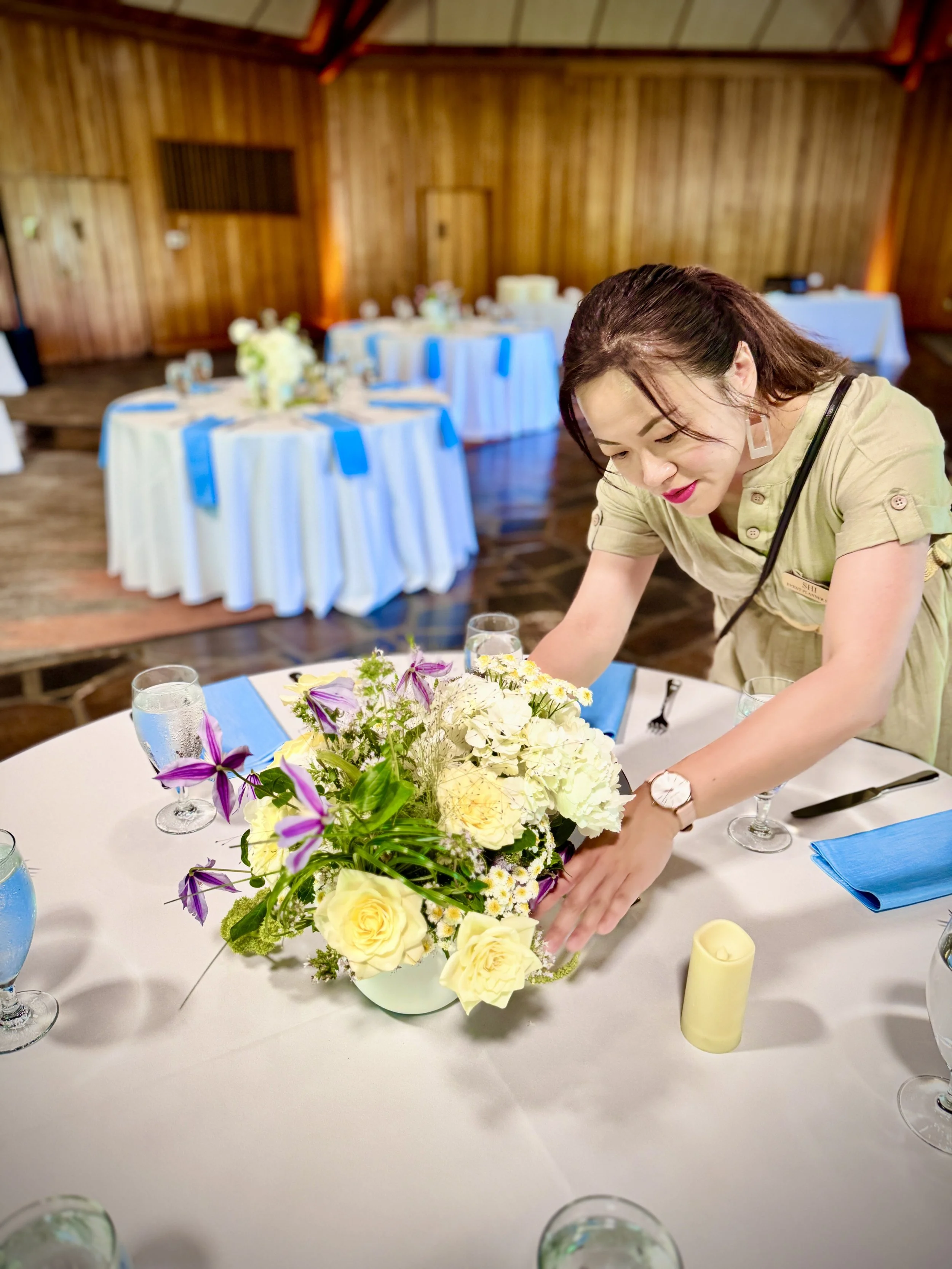
You want an incredible wedding. You just don't want planning it to become your second full-time job.
You have a demanding career, a personal life, and probably a hundred other things competing for your attention. You might have a vision for your wedding, but finding the right venue, researching vendors, comparing proposals, managing your budget, and coordinating all the details can quickly become overwhelming.
And if you're planning a multicultural wedding, bringing together different family traditions, or organizing everything from another state, there may be even more moving pieces to consider.
But wedding planning isn't just about logistics. A wedding is one of life's biggest milestones, and often one of its most emotional celebrations. You're bringing together the people who matter most to you, sometimes from different cultures, countries, and generations.
So, do you really need a full-service wedding planner? The answer depends on how much time you have, how involved you want to be, and what kind of wedding experience you're hoping to create.
What Does a Full-Service Wedding Planner Actually Do?
A full-service wedding planner helps you manage the wedding planning process from the early stages through the wedding day. Rather than simply showing up a few weeks before the wedding to coordinate vendors, a full-service planner works alongside you throughout the planning journey.
Depending on the planner's services and contract, this may include developing a planning strategy, helping establish a realistic budget, researching venues, recommending vendors, reviewing proposals, coordinating design, managing logistics, and creating a detailed wedding timeline.
A planner also helps you understand which decisions need to be made now, which ones can wait, and how each choice affects the overall wedding experience. For many busy professionals, that guidance is one of the biggest benefits.
You don't have to spend hours researching every option or figuring out what questions you should be asking. Instead, you have someone experienced helping you navigate the process and make informed decisions. And while your planner handles the research, coordination, and logistics, you remain involved in the decisions that matter most to you.
How Much Time Does Wedding Planning Really Take?
Wedding planning involves far more than choosing a venue and selecting flowers.
There are vendor inquiries, consultations, contracts, budget updates, design decisions, family conversations, menu tastings, guest logistics, transportation arrangements, and countless emails.
Even relatively simple decisions can involve multiple steps. For example, finding a wedding caterer isn't just about choosing food you love. You may need to confirm availability, service style, venue requirements, staffing, rentals, dietary accommodations, and whether the caterer can execute the experience you envision. Multiply that by photographers, entertainment, floral designers, rental companies, transportation providers, and other vendors, and the workload adds up quickly.
For couples with demanding careers, the challenge isn't necessarily that they can't plan a wedding themselves. It's whether they want to spend their limited free time doing it.
Hiring a wedding planner isn't about giving up control of your wedding. It's about having someone manage the work so you can focus on the decisions you actually enjoy.
Full-Service Wedding Planning vs. Wedding Coordination: What's the Difference?
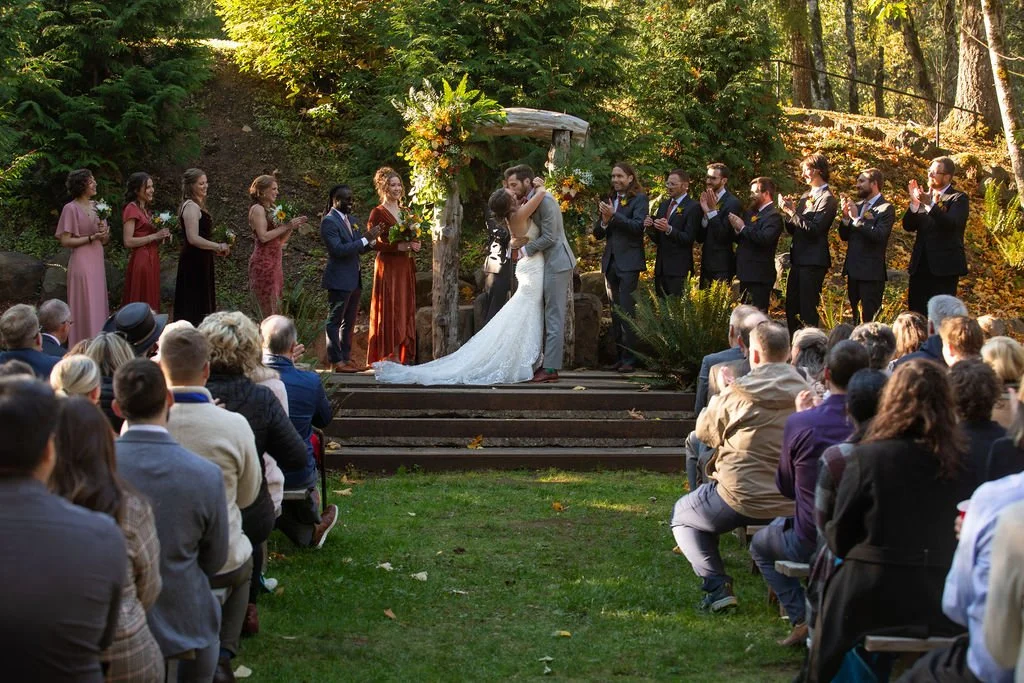
Photo by Wedding Photographer Guy | Venue: Rebers Riverside
One of the most common misconceptions is that all wedding planners provide the same services.
They don't.
Full-service wedding planning typically begins before major vendors have been booked. Your planner helps guide the overall planning process, from venue selection and vendor research to design development, logistics, and wedding-day execution.
Wedding coordination, sometimes called month-of or day-of coordination, usually begins much later. The couple has already selected their vendors, made most of the planning decisions, and developed their wedding vision. The coordinator then helps finalize logistics and execute the plans.
Neither service is automatically better than the other. The right choice depends on how much planning you've already completed and how much support you need.
If you've booked your venue, hired your vendors, developed your design, and simply need an experienced professional to bring everything together, coordination may be sufficient.
But if you're starting with a vision and don't want to manage the entire planning process yourself, full-service planning is worth considering.
Six Signs Full-Service Wedding Planning Might Be Right for You
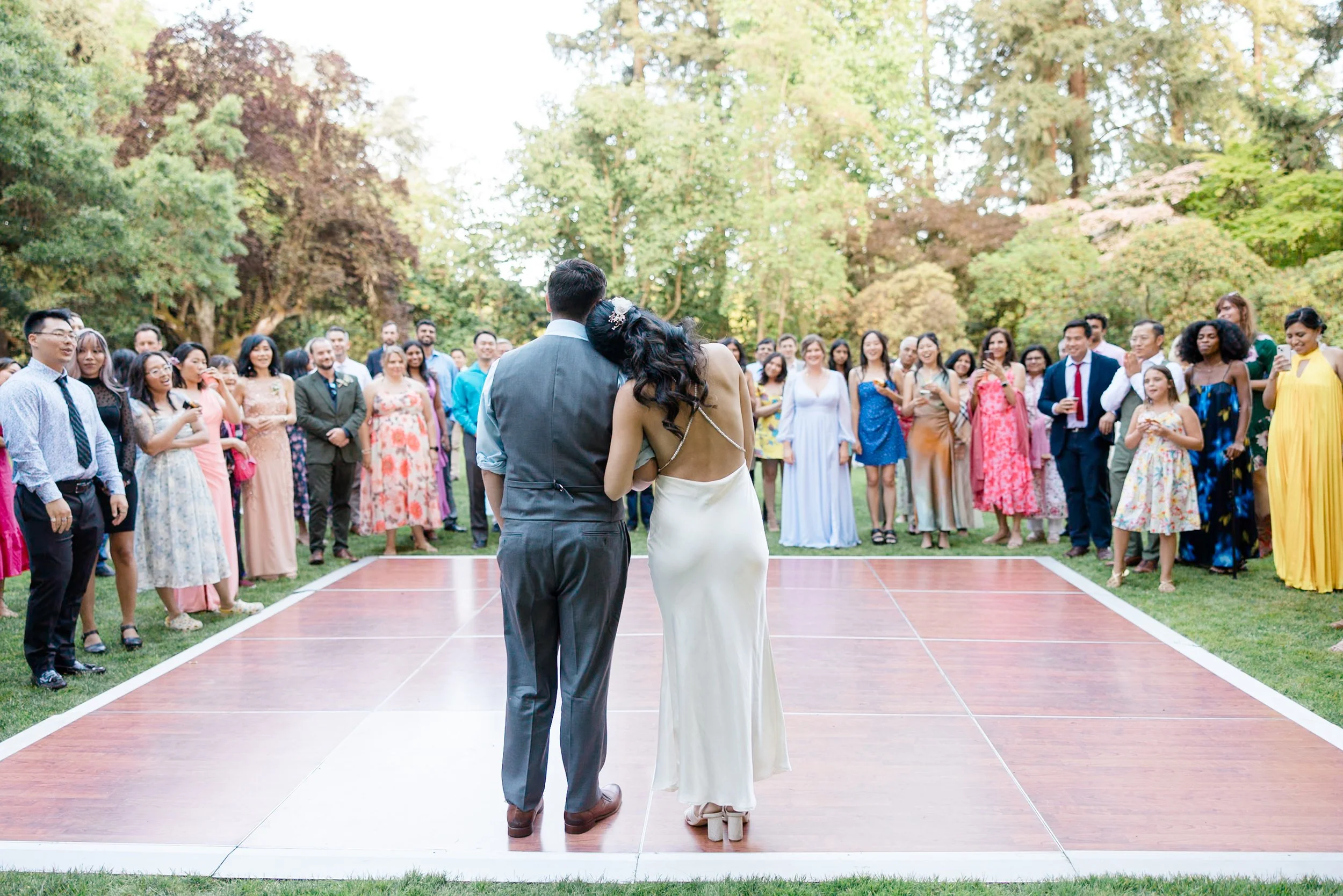
Photo by Sounds Original | Venue: Crystal Springs Rhododendron | Japanese x Taiwanese multicultural couple
1. You Have a Demanding Career and Limited Free Time
You might be an engineer, physician, executive, entrepreneur, or another busy professional whose schedule is already full. After a long workday, the last thing you want is another round of vendor emails, spreadsheets, and decisions.
A full-service planner can handle much of that research and coordination while keeping you informed and involved at the appropriate stages.
2. You're Planning Your Wedding From Another State
Perhaps you live in California, Texas, or New York but want to get married in Portland, Oregon. Planning from a distance can make venue visits, vendor meetings, and logistical decisions more complicated.
A local wedding planner can help you navigate the market, coordinate with vendors, and organize your planning visits so you can make the most of your time in town. For out-of-state couples, having a trusted professional on the ground can make the process significantly more manageable.
3. You're Planning a Multicultural Wedding
Multicultural weddings can be incredibly meaningful, but they often involve additional layers of planning.
You might be incorporating a Chinese or Taiwanese tea ceremony, an Indian Mehndi celebration, a traditional cultural performance, multiple outfit changes, or a reception menu that reflects both families. You may also have relatives who speak different languages or parents who have strong expectations about wedding traditions.
These details require more than simply adding extra activities to the timeline. They require an understanding of how cultural traditions, family relationships, vendor logistics, and the overall wedding experience fit together.
Working with a planner who understands multicultural celebrations can help you honor what matters without feeling pressured to follow traditions that don't reflect your values.
4. You Want a Wedding That Feels Personal, Not Like Everyone Else's
Maybe you love the idea of a traditional ceremony but want an unexpected reception. Perhaps you want to incorporate cultural symbolism in a modern way, create an immersive guest experience, or design a celebration inspired by your shared interests.
A full-service planner can help translate those ideas into an experience that is both creative and logistically achievable. Beautiful design is important, but it also needs to work within your venue, timeline, budget, and guest experience.
5. You Want to Enjoy Your Engagement
This might be the most overlooked reason.
Your engagement is a season of your life that you won't get back.
You can spend it researching vendors, tracking deadlines, and worrying about whether you've forgotten something. Or you can have someone guide the process while you focus on your relationship, your families, and the parts of wedding planning that genuinely excite you.
That doesn't mean you'll never have decisions to make. It means you won't have to manage every detail alone.
6. You're Dealing With Strong Family Opinions or Unwanted Advice
Weddings have a way of bringing out everyone's opinions, especially when parents, relatives, or friends feel emotionally invested in the celebration.
Maybe your parents are helping pay for the wedding and feel they should have a say in every decision. Maybe relatives insist on traditions you don't particularly connect with, or well-meaning friends keep offering advice you never asked for. Sometimes those opinions come from love and good intentions. Other times, they create unnecessary pressure, tension, or conflict.
A professional wedding planner can serve as a neutral third party, helping communicate decisions, manage expectations, and establish boundaries with family members and friends. For multicultural weddings, this can be especially helpful when families have different traditions or expectations about how the celebration should unfold.
Your planner isn't there to take sides or create conflict. They're there to advocate for your priorities, keep the planning process organized, and help everyone stay focused on celebrating your marriage.
Because you deserve to enjoy this milestone without feeling responsible for making every single person happy.
Your Wedding Is More Than Just Another Event
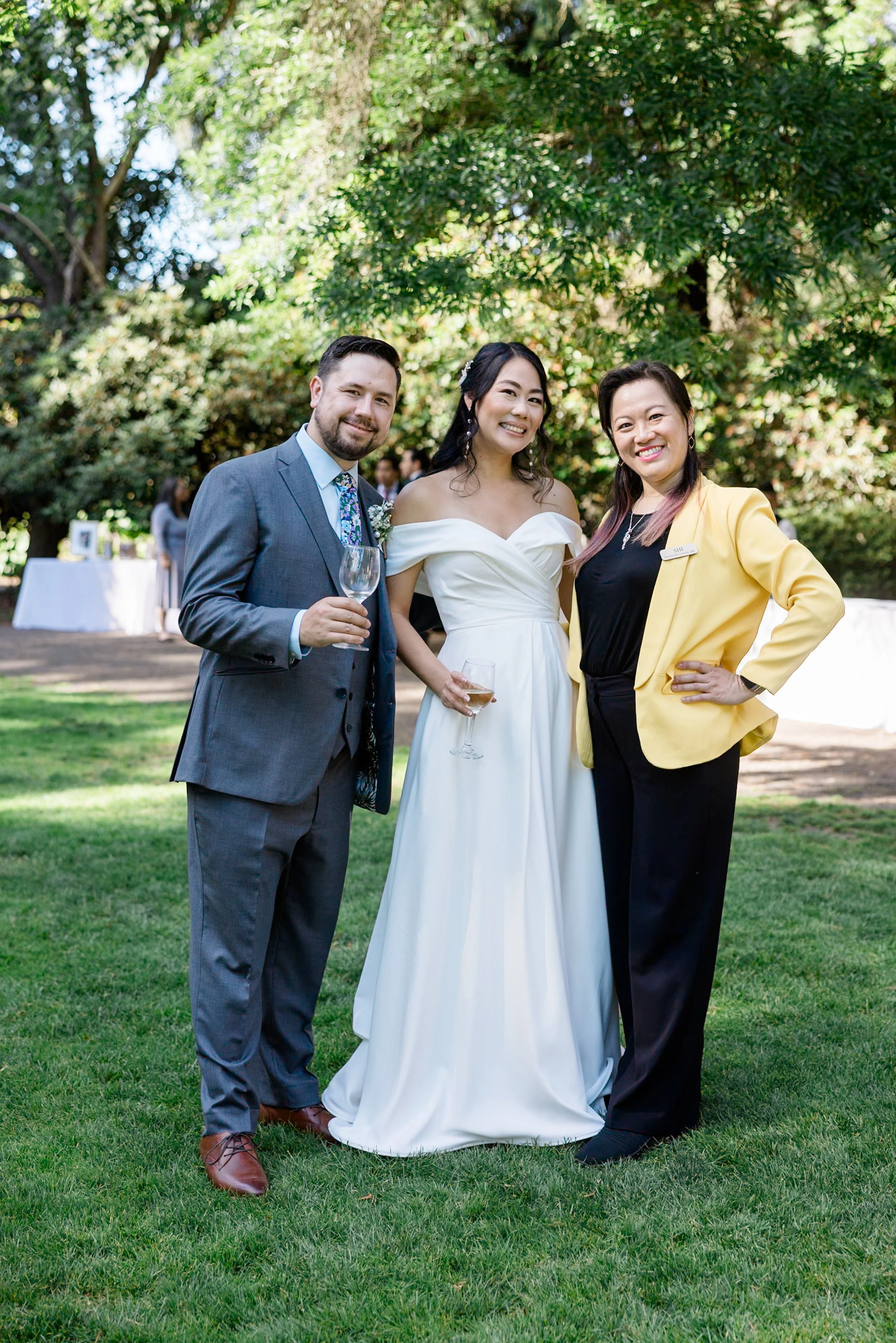
Photo by Sounds Original | Venue: Crystal Springs Rhododendron | Japanese x Taiwanese multicultural couple
For many couples, their wedding is one of the biggest milestones of their lives. It's also one of the most emotional.
You're not just planning a celebration. You're bringing together the people who have shaped your life, honoring family traditions, and beginning a new chapter with someone you love. And sometimes, wedding planning brings up emotions you didn't expect.
Parents may have different expectations. Family relationships can become complicated. You might feel torn between honoring traditions and creating a wedding that truly reflects who you are. For multicultural couples, those emotions can become even more layered when different cultural expectations, languages, and family dynamics come together. Sometimes, the biggest challenge isn't the wedding planning itself. It's navigating the opinions and expectations of the people closest to you.
Having a professional wedding planner can help create a healthy boundary between the couple and everyone else's expectations. Instead of having to personally negotiate every request or explain every decision, you have someone who can guide those conversations, offer an objective perspective, and help keep the planning focused on what you actually want.
Of course, a planner can't resolve every family disagreement or make deeply personal decisions on your behalf. But they can help manage wedding-related expectations and take some of that pressure off your shoulders. This is something I believe deserves just as much attention as the flowers, food, and decorations.
A good wedding planner doesn't just manage vendors and timelines. They listen, understand what matters to you, help navigate difficult conversations, and provide guidance when decisions become overwhelming.
Because when your wedding day finally arrives, I don't want you worrying about whether everything is running on schedule or whether your vendors have everything they need.
I want you to be present, celebrate with the people you love, and experience the day you've spent so much time looking forward to.
Is a Full-Service Wedding Planner Worth the Investment?
A full-service wedding planner is an additional professional service in your wedding budget, so it's reasonable to ask whether the investment makes sense. I wouldn't tell every couple that they need one.
If you genuinely enjoy researching vendors, organizing spreadsheets, comparing contracts, and managing detailed logistics, you might be perfectly happy planning your own wedding.
But if you have a demanding career, are planning a complex celebration, or simply don't want to spend hundreds of hours managing the process, the value can be substantial.
A planner can help you identify potential problems earlier, understand vendor proposals, avoid unnecessary decisions, and coordinate the many moving pieces involved in creating your wedding. And when family expectations or complicated relationships become part of the planning process, having an experienced professional to guide those conversations can provide another layer of support.
However, hiring a planner doesn't automatically mean you'll save more money than the planning fee. The value is often in the time, expertise, organization, and peace of mind you gain.
For the right couple, that's worth far more than simply having another person manage a checklist.
When Should You Hire a Full-Service Wedding Planner?
Ideally, before booking your wedding venue.
Many couples assume they need to choose their venue first and then hire a planner. But your venue is one of the biggest decisions you'll make, and it affects almost everything that follows, including your budget, guest count, catering options, rentals, transportation, and overall wedding design.
An experienced planner can help you evaluate venues based on your actual needs rather than just how beautiful they look in photographs. For multicultural weddings, this is especially important.
A venue might look perfect but have restrictions that make your preferred cultural catering, multiple ceremonies, or entertainment difficult to accommodate.
I generally recommend beginning the planning process approximately 12 months before the wedding, although the ideal timeline depends on your date, guest count, location, and celebration.
If you're considering full-service planning, reaching out before making major commitments gives your planner more opportunities to guide the process.
What Makes Multicultural Wedding Planning Different?
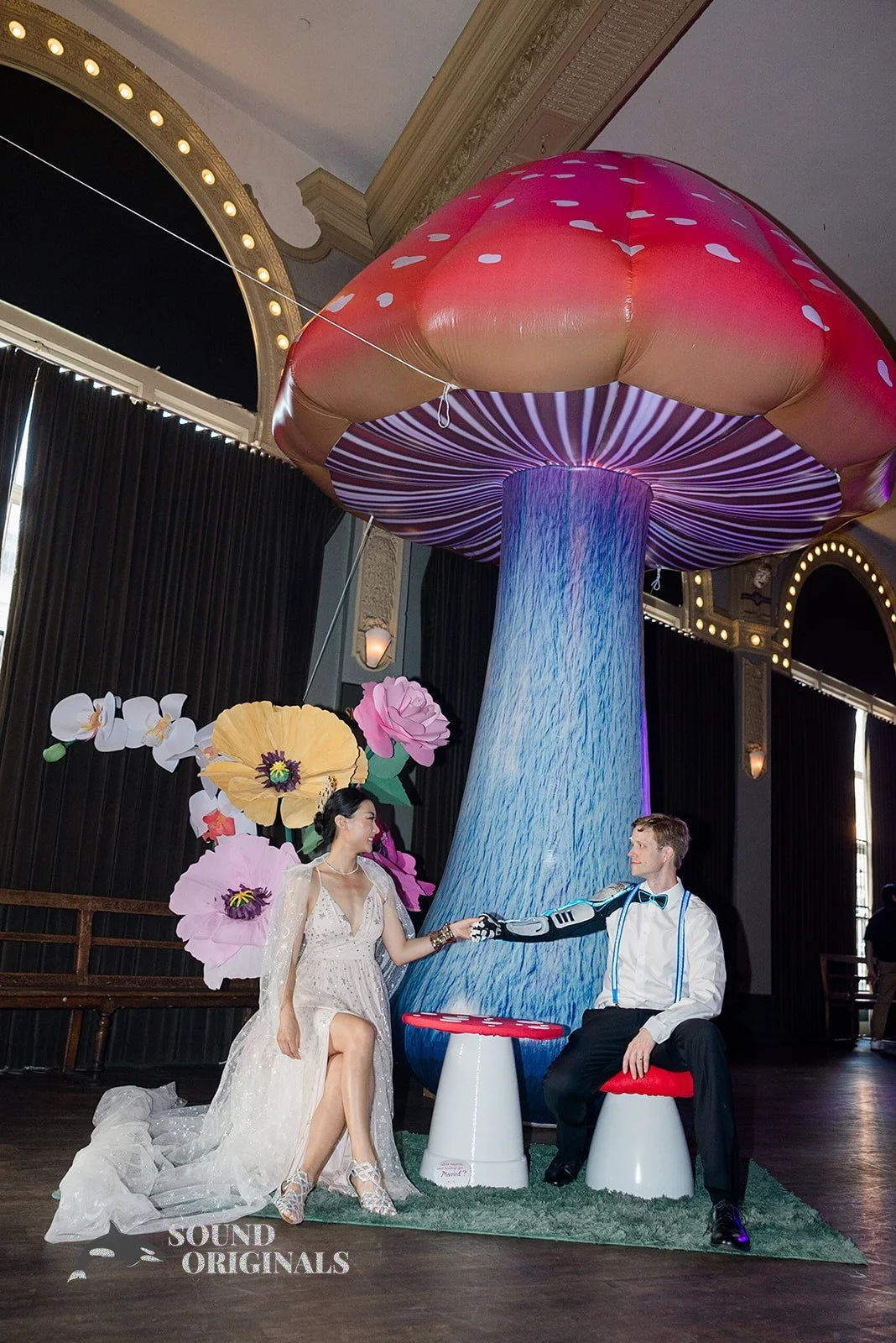
Photo by Sound Originals | Venue: Crystal Ballroom PDX | Chinese x American multicultural couple
A multicultural wedding isn't simply a traditional wedding with a few cultural decorations added. It's often about bringing together different family expectations, traditions, languages, and ways of celebrating.
For example, one family may consider a tea ceremony essential, while the other has never attended one. One side might envision a formal seated banquet, while the couple prefers a more modern reception. Parents may have different opinions about guest lists, ceremony timing, or cultural customs.
None of these differences are necessarily problems. But they do require thoughtful conversations and careful planning.
I grew up in multicultural Malaysia and Singapore, where different cultures, languages, and traditions were part of everyday life. That experience shaped how I approach weddings today.
I believe couples should have the freedom to decide which traditions they want to honor, which ones they want to adapt, and which ones no longer feel meaningful to them.
My role is to help bring those choices together into one cohesive celebration while respecting the people and cultures involved.
What Should You Look for When Hiring a Full-Service Wedding Planner?
Beyond beautiful portfolio photographs, I encourage couples to ask a few practical questions.
Does the planner have experience with weddings of your size and complexity? How involved will they be throughout the planning process? Will you work directly with the person you hire, or be assigned another team member? How do they manage communication, vendor coordination, budgets, and unexpected challenges? And perhaps most importantly, do you trust their judgment?
A wedding planner will be involved in some of the most personal decisions you'll make during your engagement. You should feel comfortable communicating openly with them and confident that they understand your priorities.
For multicultural weddings, I would also ask about their experience working with different cultural traditions and family dynamics.
You don't necessarily need someone who has planned your exact combination of cultures before, but you do want someone who listens, asks thoughtful questions, and respects the significance of your traditions.
Frequently Asked Questions About Full-Service Wedding Planning
Is hiring a full-service wedding planner worth it?
For couples with demanding schedules, complex wedding plans, or limited time to research and coordinate vendors, full-service wedding planning can be a worthwhile investment. The value comes from professional guidance, time savings, logistical coordination, and having someone manage the planning process.
Do I need a wedding planner if my venue has a coordinator?
A venue coordinator typically focuses on the venue's operations and requirements. A wedding planner generally manages the broader wedding experience, including coordination across multiple vendors, planning decisions, timelines, and logistics. The exact responsibilities vary, so always confirm what each professional provides.
What's the difference between a wedding planner and a day-of coordinator?
A full-service planner is involved throughout the planning process, while a day-of or month-of coordinator usually joins closer to the wedding to finalize and execute plans the couple has already developed.
Should I hire a wedding planner before choosing a venue?
If you're considering full-service planning, hiring your planner before selecting a venue can be beneficial. They can help assess budget implications, guest capacity, vendor restrictions, and whether a venue supports your wedding vision.
Can a wedding planner help with multicultural wedding traditions?
Yes, particularly a planner experienced in multicultural weddings. They can help coordinate cultural ceremonies, family expectations, vendor logistics, bilingual communication, and multiple wedding events.
Can a wedding planner help with difficult family members?
A professional wedding planner can help manage wedding-related expectations, communicate decisions, and establish boundaries with relatives or friends who may be overly involved. While they cannot resolve personal family conflicts, they can serve as a neutral professional who advocates for the couple's priorities.
Can I hire a Portland wedding planner if I live out of state?
Absolutely. Many couples hire a local Portland wedding planner while living elsewhere. Planning meetings, vendor coordination, and much of the preparation can be managed remotely, with in-person visits scheduled when needed.
Your Wedding Shouldn't Become Another Full-Time Job
I believe wedding planning should be an exciting chapter of your life, not another responsibility competing with everything else on your calendar.
Your wedding is one of life's biggest milestones. You deserve a celebration that reflects your love story, honors what matters to you, and allows you to be fully present with the people you love.
You spend months planning your wedding, but you only get to experience that day once. You deserve to be fully present for it.
And you don't have to figure out every detail yourself to make that happen.
I'm Shi, founder of Weddings by Shi, a Portland-based wedding planning business specializing in modern multicultural weddings for busy professionals.
With a PhD in Analytical Chemistry and a background as a senior engineer at Intel, I bring a detail-oriented, organized approach to wedding planning, along with my passion for cultural storytelling and personalized design.
I work directly with my couples throughout the planning process, helping them navigate decisions, coordinate vendors, and create celebrations that feel genuinely their own.
Whether you're planning a wedding in Portland, elsewhere in the Pacific Northwest, or beyond, I'd love to hear your story.