How to Plan Your Chinese Banquet Wedding Reception in Portland, OR
If you have never attended a Chinese banquet wedding, the reception may look different from what you expect. Guests sit at round tables, large platters arrive one course at a time, and a lazy susan turns at the center so everyone can share the meal.
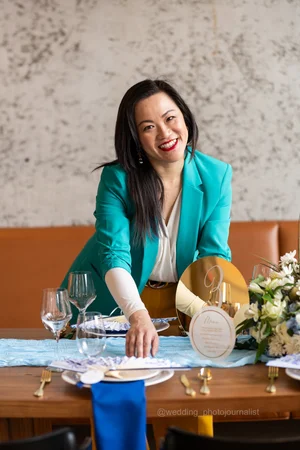
For many Chinese families, this meal is more than dinner. It is a generous welcome and a meaningful way to bring families together around one table. As an Asian fusion wedding planner, we help couples integrate traditions thoughtfully so the day feels connected and personal.
How a Chinese Banquet Reception Works
A traditional Chinese banquet reception is organized around round tables with shared platters placed in the middle and a lazy susan at the center so each guest can reach every dish. Guests serve themselves in small portions and rotate the dishes gently around the table. The lazy susan is practical, but it also carries meaning. Sharing is the point, not just the logistics, and the meal becomes a quiet rhythm of generosity and connection. The banquet is usually served in a set order, often as eight courses, because eight is considered a lucky number associated with prosperity and good fortune.
What Comes in the Eight Courses?
Every family has its own preferences, but this is a helpful flow for first-time guests:
Cold appetizer platter: a welcoming start with chilled bites and small dishes.
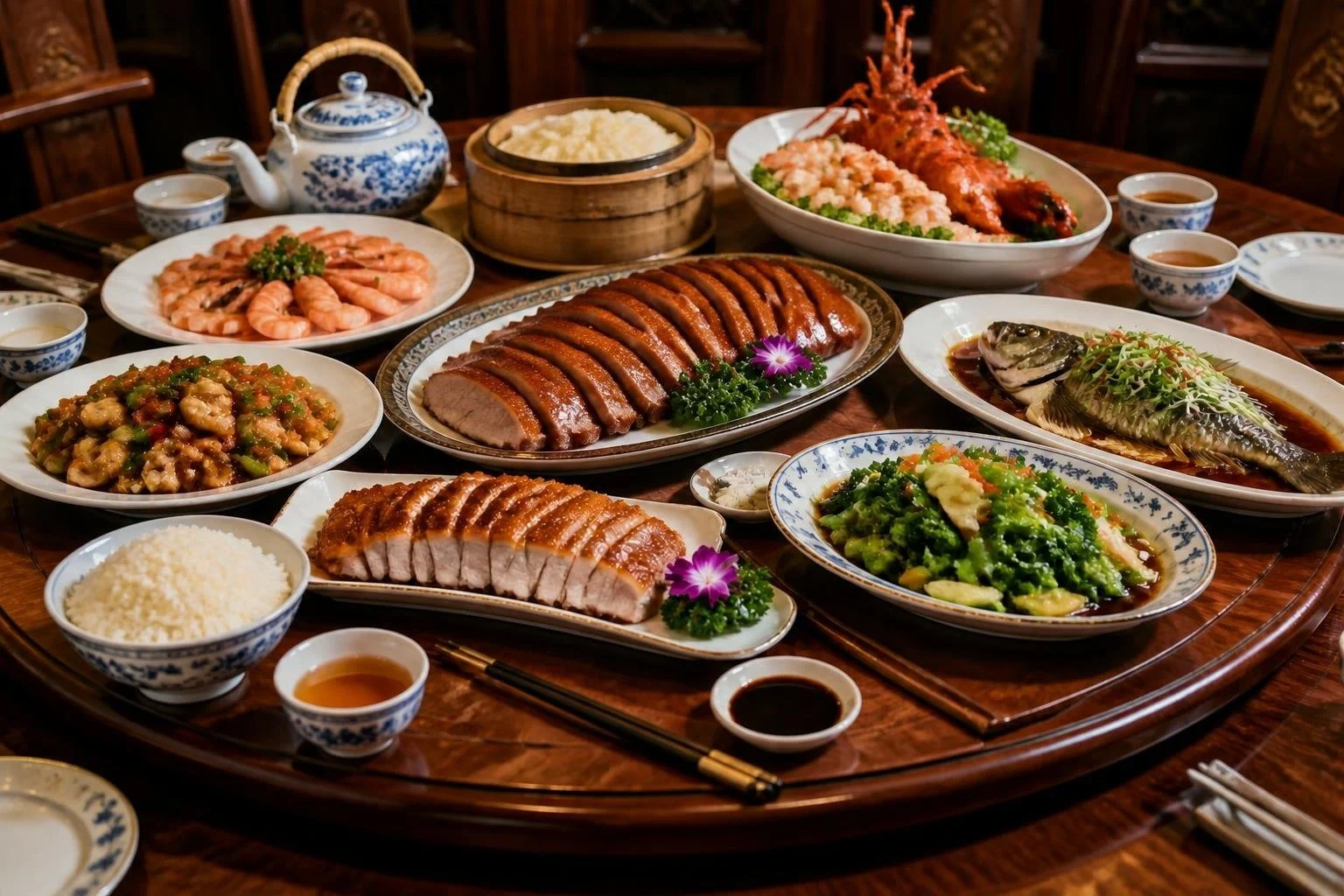
Roasted meats: roasted duck and roasted pork are classic must-haves and often anchor the table.
Shrimp or lobster: a festive seafood course that brings color and a sense of celebration.
Whole fish: served with the head and tail intact to symbolize abundance and continuity.
Stir-fry or vegetable course: a fresh, balanced dish that rounds out the richer courses.
Soup or braised dish: something warm and comforting before the meal begins to close.
Rice or noodles: rice is a key must-have for many families, though some choose longevity noodles instead.
Sweet dessert: a final sweet course that leaves the table with warmth and togetherness.
Many couples keep the essential structure with roasted duck, roasted pork, shrimp or lobster, a whole fish with head and tail, a stir-fry, and rice. By course five, most guests will be comfortably full, which is completely normal.
Planning the Reception Without Stress
Start with the practical pieces early. Confirm whether your venue allows outside catering or a Chinese restaurant caterer, and make sure the kitchen can support wok cooking and steaming. Plan for round tables and lazy susan rentals, leave space if the whole fish or roast pig will be carved in the room, and pace the courses around speeches, outfit changes, and other key moments so the meal still feels seamless. A bilingual menu card helps guests follow along, and shellfish allergies should be confirmed in advance so the caterer can plan substitutions.
Small Etiquette Details That Help Guests Feel Comfortable
Chinese banquet etiquette can vary between families, so no guest needs to know every rule. A few simple details help everyone feel at ease: elders are often seated first, tea is usually refilled for others before yourself, the host may lead a yum sing toast, and red is considered an auspicious color. The easiest guidance is still to watch the hosts and follow their lead.
Integrating Chinese and Western Traditions
A Chinese banquet can follow a Western ceremony beautifully. You might begin with a ceremony, move into cocktail hour, and then transition into the banquet as the main reception, with cake cutting and toasts added without replacing the banquet traditions. Thoughtful planning helps the whole day feel connected and personal to both of you. If you are planning a Chinese banquet wedding or an intercultural celebration, tell us about your wedding and your hopes for the day. We would be glad to begin the conversation.